Gluten-Free Sourdough Starter
A step-by-step guide to building your own bubbly, tangy gluten-free sourdough starter from scratch using King Arthur's GF all-purpose flour.
- Prep Time
- 10 min
- Cook Time
- 0 min
- Total Time
- 10 min
- Servings
- Makes 1 starter
Sourdough isn't just for wheat lovers anymore. With a little patience and the right ingredients, you can build a tangy, bubbly gluten-free sourdough starter that's perfect for bread, muffins, pancakes, and more. This is a process that unfolds over about 10-11 days of daily feeding, not a same-day recipe — but the payoff is worth it.
Traditional sourdough relies on wild yeast and beneficial bacteria to rise and flavor the dough — no commercial yeast required. A gluten-free starter works the same way, just fed on gluten-free flour instead of wheat. The payoff: a more digestible bread, a beautiful tangy rise, and the satisfaction of baking with something you built yourself, one feeding at a time.
Ingredients
- King Arthur Gluten-Free All-Purpose Flour
- Filtered or bottled water (chlorine-free)
Instructions
- 1Day 1: Mix 60g King Arthur GF all-purpose flour with 60g filtered water in a clean glass jar. Stir well, cover loosely with a lid or clean towel, and let sit at room temperature (74-80°F is ideal).
- 2Day 2: You may or may not see bubbles yet — that's normal. Discard half the mixture, then add 60g flour and 60g water again. Stir, cover, and rest.
- 3Days 3-10: Repeat the discard-and-feed process once per day. You should start seeing bubbles, a light sour smell, and some rise around Day 3 or 4.
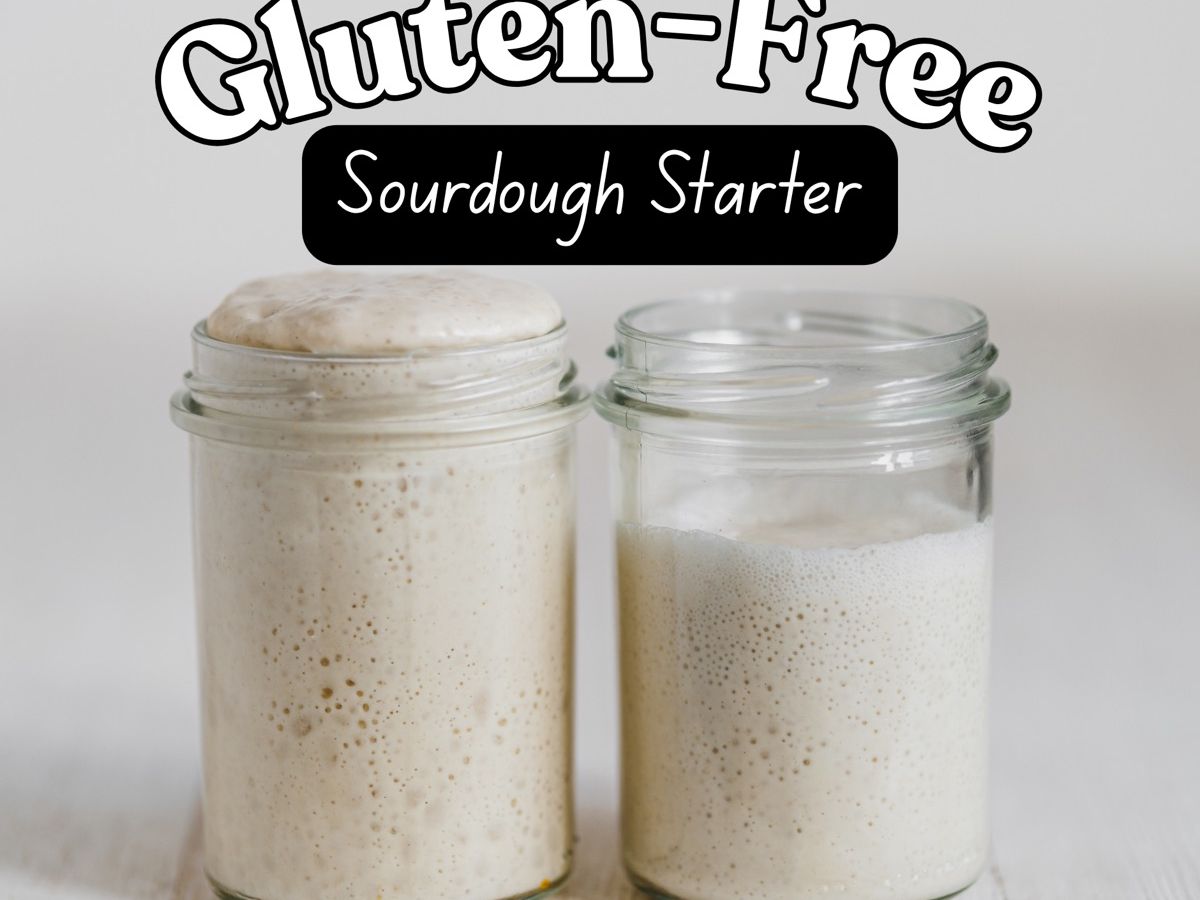
- 4Day 11 and on: If the starter is bubbly and doubles in size within 4-6 hours of feeding, it's ready to use. If not, keep feeding daily until it becomes active and predictable.
- 5To use in a recipe, feed the starter and let it become bubbly and active 6-8 hours before baking.
Tips
- Don't switch flours midway — consistency helps your starter develop a stable community of wild yeast.
- Keep your container clean and scrape down the sides after stirring to avoid mold.
- It should smell tangy and slightly sour — not rotten or cheesy. If a layer of liquid ("hooch") forms on top, just stir it back in or pour it off before feeding.
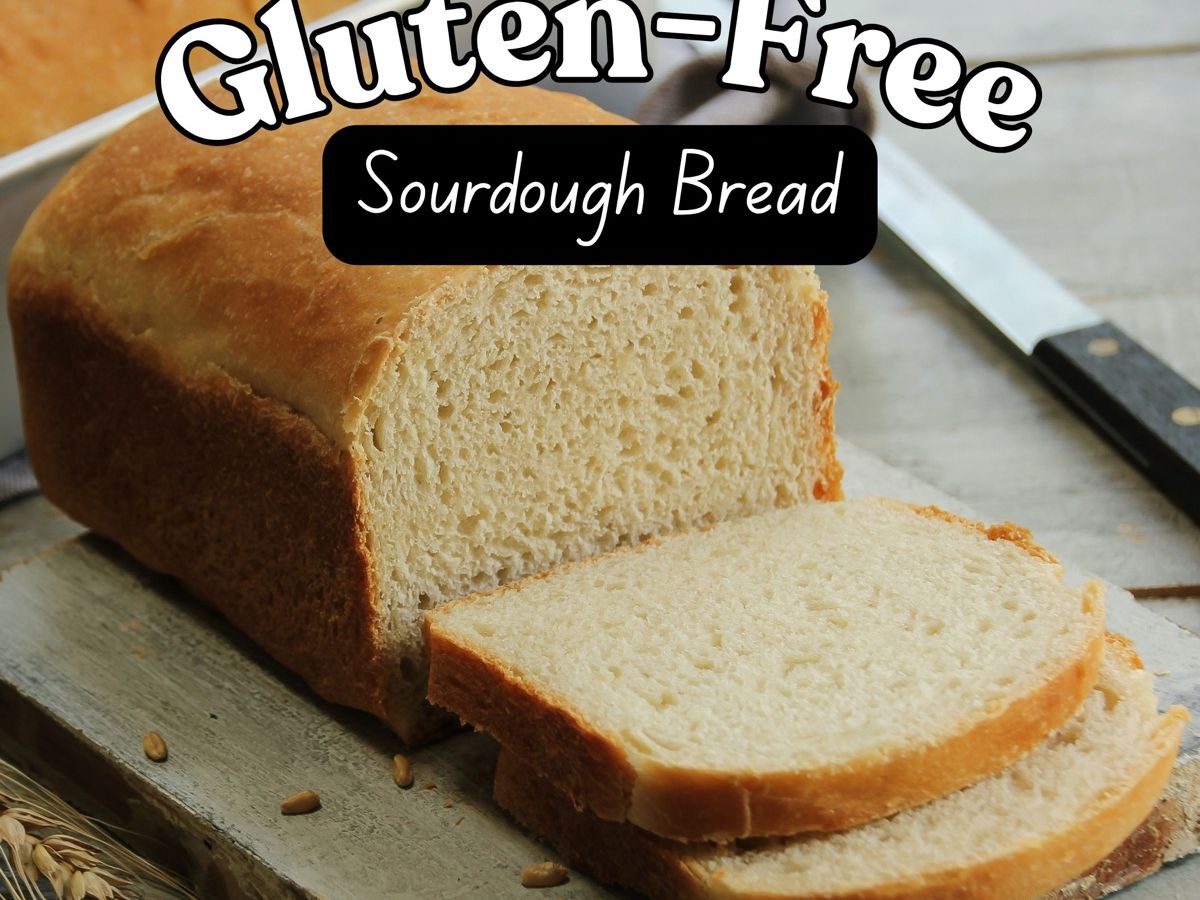
- Use it for gluten-free sandwich bread, sourdough rounds, pancakes, waffles, muffins, crackers, pizza dough, and more.
Storage & Reheating
To store: feed once a week if keeping in the fridge, every 24 hours at room temperature, or freeze a portion in an airtight jar for up to 12 months as a backup.